Helpful Guides
things you needto know to stayon the road & earning
What Happens If You Fail A Roadworthy?
August 13, 2024
Of course one of the biggest questions we get when it comes to roadworthys is what happens if I fail?
Don’t be concerned, there are structures in place to ensure that you are not left out of pocket and having to book more inspections.
In short, you will be allowed an extension of time to fix any issues that you have failed on. After this, you will be eligible for a reexamination which is free of charge.
For anyone who wants to know exactly how much a roadworthy cost, read my guide here. You can also find out what a roadworthy certificate is here.
Now, if you’re ready for a roadworthy please don’t hesitate to book online with one of your examiners who will help you. We come quickly and offer same day service.
Well, let’s get straight into this then. Let’s find out what happens if you fail a roadworthy.
Table of Contents
What Happens If You Fail A Roadworthy?
If you fail a roadworthy you will have 14 days to rectify any issues your vehicle failed on. If this is done within the timeline, you will only be required to pay a call out fee for our Inspectors to come out again for the rectified issues to be passed. How easy is that!
Honestly, you don’t need to stress about failing your roadworthy inspection. Usually, the examiners will be really helpful and guide you on which areas you have failed on.
This has been set in stone by the Queensland government meaning no inspectors or companies should be charging for a second service unless they have a valid reason. For example if we need to come back out to visit you, there will be a small call out fee applied.
All in all, I know that the word failure sounds daunting but when it comes to your roadworthy inspection you don’t need to worry.
In the most simple terms possible, if you do not pass your roadworthy you will have 14 days to fix it and you will only be charged a small call out fee.
What Can You Do If You Fail A Roadworthy?
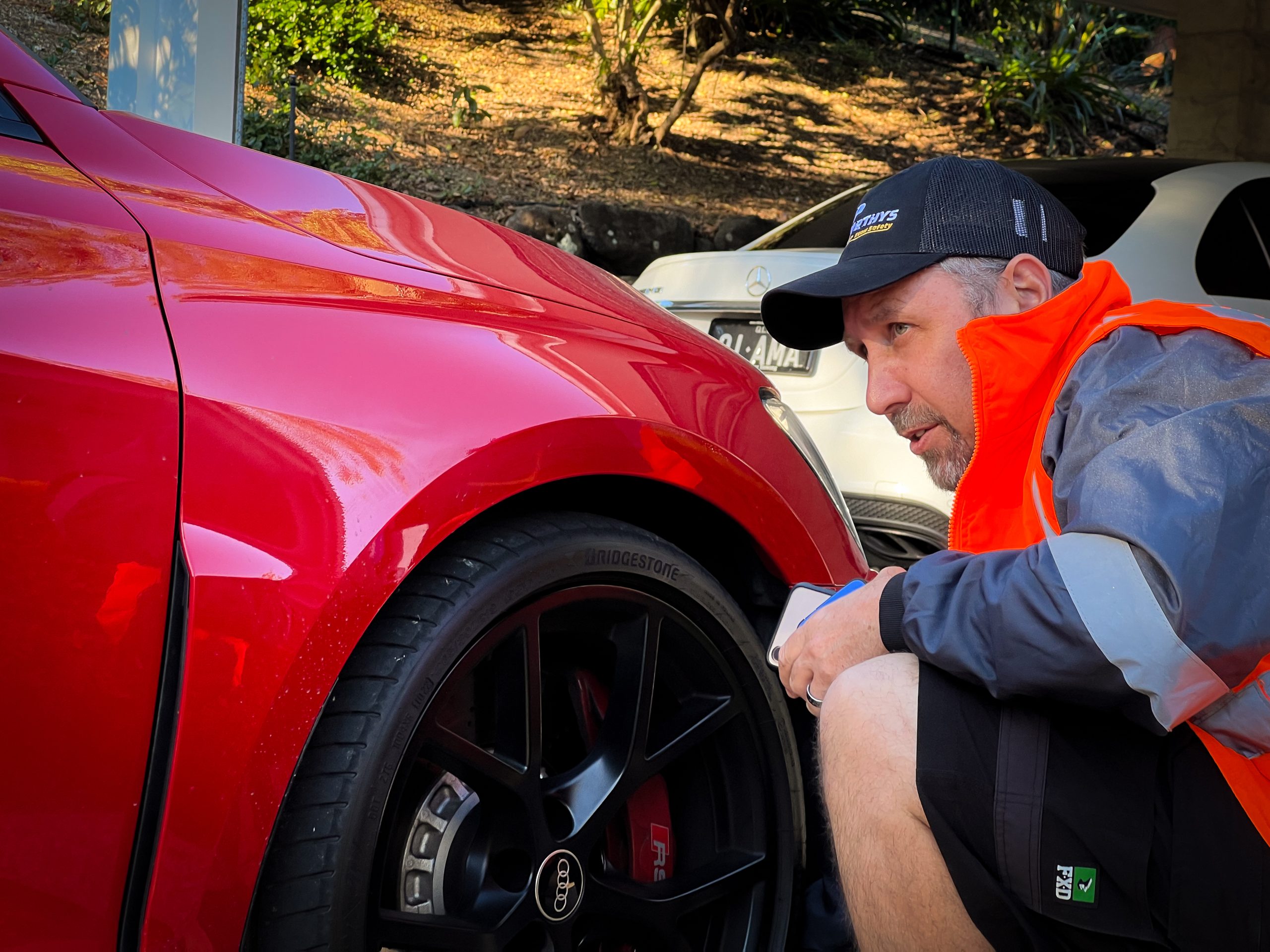
So, you can choose to fix any failed components yourself or if you would prefer at any other garage providing it is within the 14 days. Obviously fixing any issues yourself can carry a risk. You might find that you have not fixed it properly and it fails again.
Be careful doing this. If you do fail again then you might be required to pay for another roadworthy inspection at full price. However, you might be allowed another extension to get it fixed.
Our inspectors will do their best to replace or repair any components they can while carrying out the inspection. However, without the tools and correct knowledge they are limited.
If there is something really small they can try to fix that on the spot. This also applies to the caravan gas inspections we do as well. 95% of the time we can fix any issues that come up.
To be honest it is always best if you take the time to check these mentioned points prior to the roadworthy inspection.
How To Reschedule A Roadworthy If You Fail
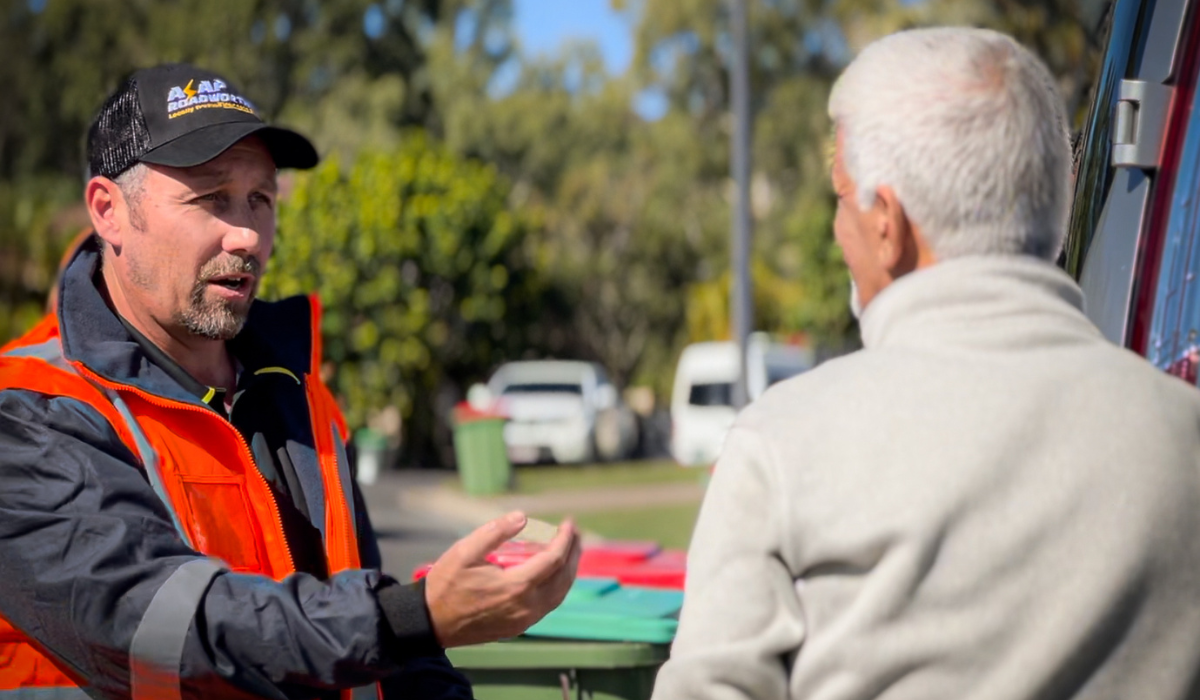
Luckily, rescheduling your roadworthy is a pretty easy thing to do. In my experience it’s best to fully understand the work that needs to be done then either arrange with the front desk or your chosen inspector to fix the areas that need rectifying to meet government safety standards.
Just do not leave anything to the last minute, 2 weeks is more than enough time to get repairs done and book another inspection, so long as you don’t wait around. After the 2 weeks you’ll have to pay full price for another inspection.
On the other hand, be sure not to rush into choosing a garage that will overcharge you as they know you might be desperate to get the work done in time, it’s best to go to a reputable Mechanic.
So once any work is done be sure to book in another inspection straight away as to avoid paying for a whole new inspection on top of repairs.
You Could Also Choose To Get It Fixed At A Garage
Pre purchase car inspections work through booking in your time slot and getting the inspector to come out and check through the car. If you are unavailable, the pre purchase car examiner will organise the best time with the seller to conduct the inspection.
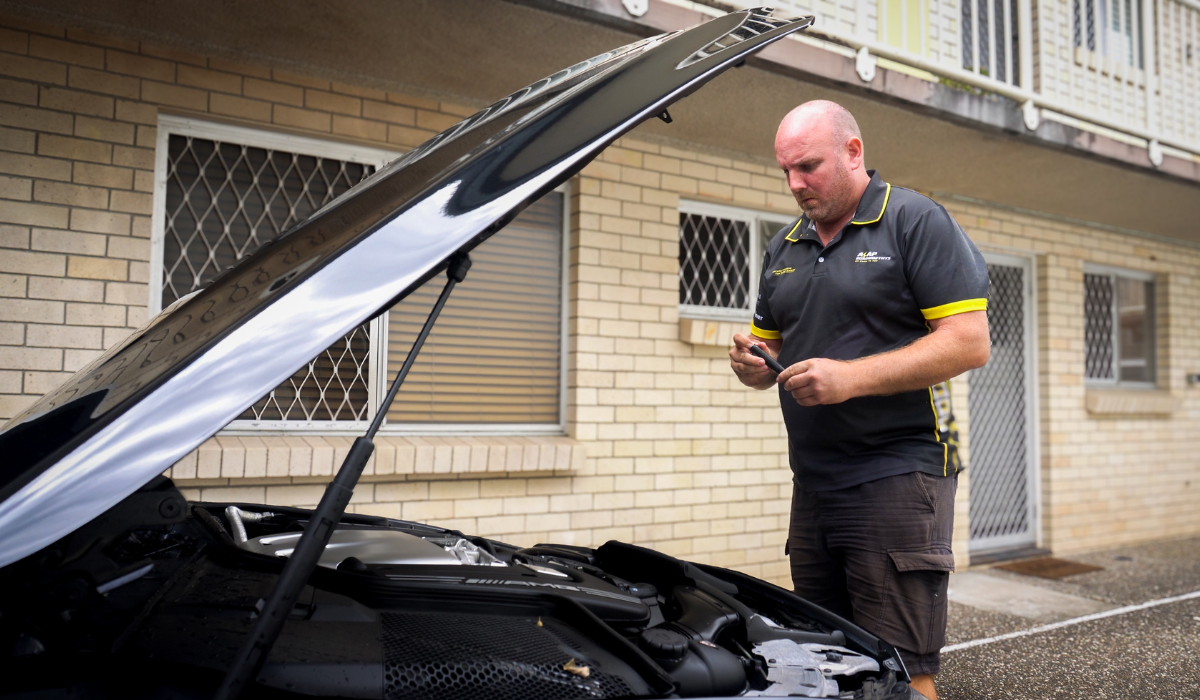
That’s right. You could choose to get your vehicle fixed and serviced at the garage. We will give you a list of areas that your vehicle failed on so you can take this straight to the mechanic.
That means it would be an easy fix and this way you have a much higher chance of passing your roadworthy inspection for the second time. No one really wants to fail twice.
Although this is a more expensive way of getting your vehicle fixed, it’s the one we strongly recommend because it’s done by professionals that know what they’re doing.
After this, the inspector will begin conducting the pre-purchase car inspection. They will go through a series of structured inspections to ensure they have not missed anything and always capture the clear representation of the car’s health, safety, performance and quality.
A pre-purchase inspection involves a critical check performed on different parts of a vehicle, including the:
- tyres/wheels
- engine
- gears
- steering/suspension
- dashboard
- brakes
- transmission
- car’s exterior (body) and interior
- electrical components
- HVAC
- undercarriage
- exhaust
In easier words, a pre-purchase car inspection is a comprehensive examination carried out on a car you intend to buy to identify any challenge and ascertain the car’s safety, performance, value, and quality so that it aligns with exactly what you desire.
Most importantly, these days cars use a lot of computer systems so it’s important to remember to do a computer diagnosis test to make sure that everything is running smoothly from the inside, which you can’t see unless you test.
What Happens If I Don’t Rectify Within The 14 Days?
If you do not have the failed components fixed within 14 days, the whole inspection will have to be carried out again at an extra cost.
This is why we advise you to get things done as soon as possible. You may find a different inspector could flag up additional findings on your next roadworthy inspection. That’s why it’s strongly recommended to have the failed areas fixed as soon as you can.
This will mean that you will be left out of pocket. You don’t want to be paying for multiple roadworthy inspections. It also means you’re going to be left short for time if you are selling your vehicle, or won’t be able to get it booked in again for weeks.
Ways To Avoid Failing Your Roadworthy
You can carry out simple checks on all the areas that we usually test in a roadworthy inspection. Either by yourself or maybe you have a friend who is knowledgeable with motors.
If you’re really wanting too, you could just get a mechanic to do a quick service on these areas to try and get them up to scratch before you go into your inspection.
I’ve got through a full checklist of the areas we find fail the most here. Feel free to read through. In the meantime I’ll cover a couple below.
Here are the 6 most common areas of failure
- Light bulbs
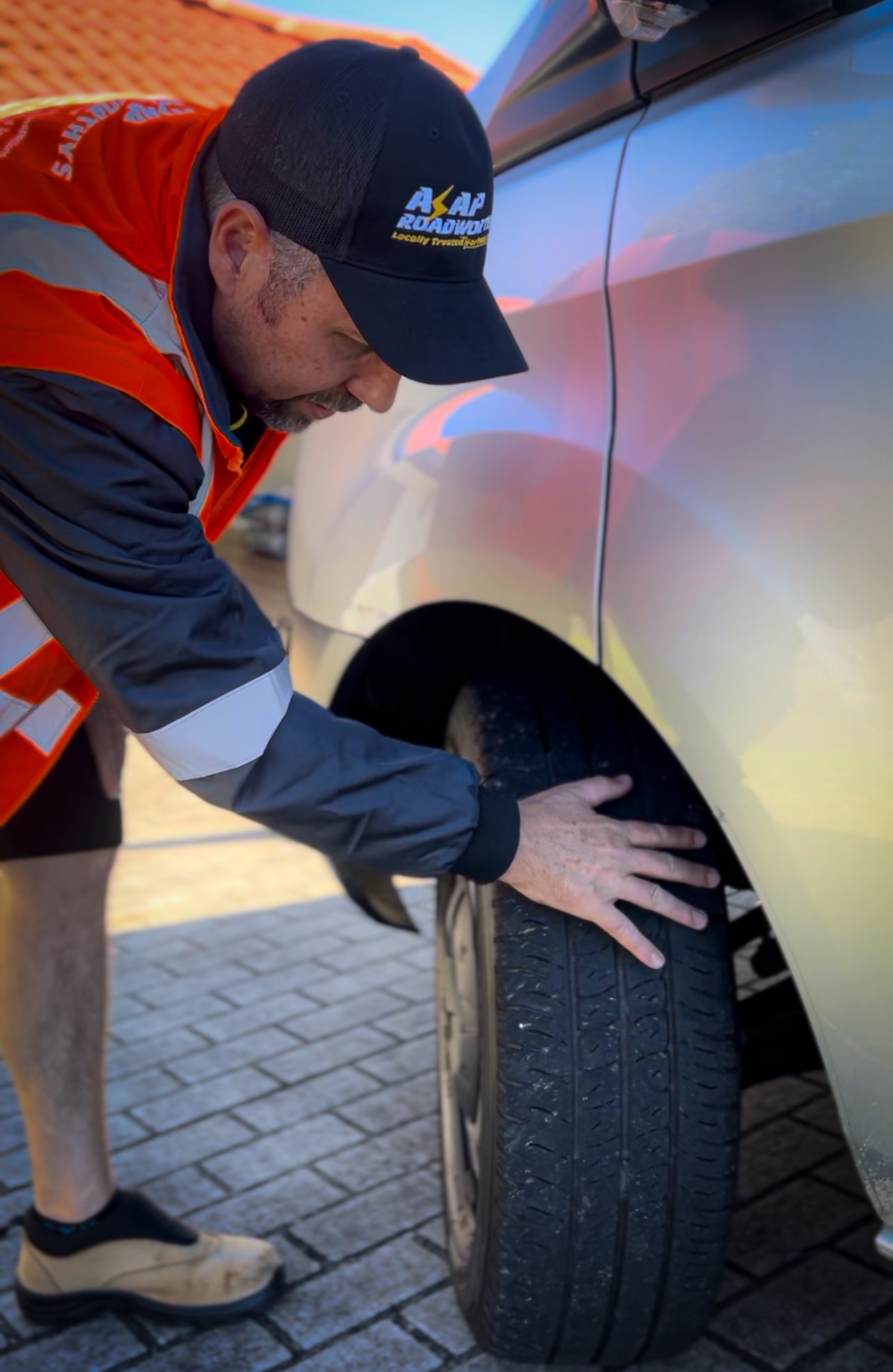
- Tyres
- Mountings
- Oil leaks
- Brakes
- Bushes
If your vehicle is regularly serviced by a garage then your chances of passing a roadworthy will be much higher. Regular checks and services can go a long way.
The same applies for how well you maintain your vehicle. If you look after it well then you will have a higher chance of passing your roadworthy.
If you drive long distances, you might be more likely to pick up some areas of faults. It really depends.
One factor to also consider is the age of your vehicle. Older cars are more likely to fail and sometimes take longer because there are more checks in place to keep all road users safe.
We encourage you to do everything possible to pass your vehicle inspection test the first time. It would be best if you find out how to pass your vehicle’s roadworthy inspection the first time.
Why A Roadworthy Certificate Is Important
A roadworthy certificate is as important to the Queensland Department of Transport and Main Roads as your other motor vehicle papers. The certificate will show that your vehicle is safe for road use.
Unfortunately, no matter how much you might not want to get a roadworthy certificate, it is required by law. Here’s some examples of when it’s required.
- You need a roadworthy certificate if you intend to sell your car to enable you to complete the transfer of ownership through the Queensland Department of Transport and Main Roads.
- Your car may be de-registered without a road safety certificate at the point of sale to a new buyer. You also need a roadworthy certificate when re-registering your vehicle after the existing papers expire.
You need a roadworthy certificate if you own any of the following vehicles and intend to sell them off:
- Motorcycles
- Cars
- Vehicles weighing around 4,500kg gross vehicle mass.
- Trailers with caravans having an aggregate trailer mass of around 750kg to 3,500kg.
However, there are some occasions of transferring the ownership of a vehicle that may not require a roadworthy certificate. They include the following:
- Traded vehicles to dealers or between dealers do not require a roadworthy certificate.
- Disposing of your motor vehicle in a particular area that is exempt does not require a roadworthy certificate.
- Transfer of car ownership from one spouse to their partner may not also require a road safety certificate, except for completely divorced partners.
- Transferring a vehicle belonging to a deceased individual to their beneficiary can also go without a roadworthy certificate.
So, if you are within any of the categories outlined above, you may not necessarily need to obtain or present a roadworthy certificate and won’t need to worry about failing it.
Don’t forget how long a roadworthy lasts as well. This is important to time getting your inspection in place.
P.S. These are different to Pre Purchase Inspections which will give you a comprehensive understanding of the condition of a car. If that’s what you’re looking for feel free to check out our website.
What Happens If You Fail A Roadworthy State By State
Now there are actually differences in rules and regulations in each state when it comes to falling your roadworthy.
They all have a free re-inspection after a certain time, although that time period changes, and some don’t even have a set time period.
So if you’re getting your roadworthy done in Brisbane, it may be different for someone just across the border in NSW.
Roadworthy Scams and How to Avoid Them
Fake Certificates
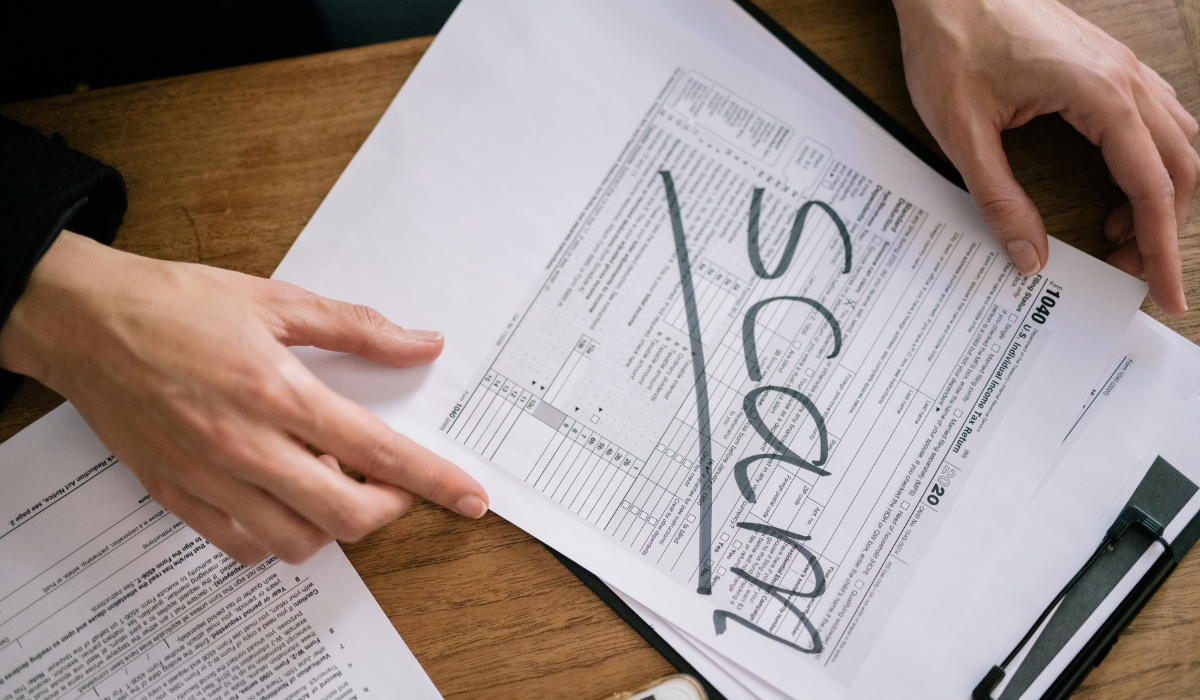
Unfortunately roadworthy scams do exist so it is absolutely worth knowing about them and how to avoid it. From the perspective of a customer, failing your roadworthy and getting a fake certificate will mean the same thing for you, no roadworthy on your car.
One of the most common is fake certificates, these are from garages that are not licensed by the Government to do inspections or give roadworthy certificates out. If you are issued one of these certificates your car will illegally be on the road.
Commonly, these are issued by someone claiming to be a legitimate mechanic, but in reality they are not and any issue they provide will not be valid.
This will mean you won’t be able to make any insurance claims, risk being fined and will be held legally responsible if you are in an accident, especially if the accident is caused by a fault on your car.
On top of this, when it comes to selling your car you won’t have a valid roadworthy certificate so you simply won’t be able to sell the car if the certificate number isn’t real and in the government system.
They will verify all details on the certificate with all details you submit on the paperwork you give to TMR. So you won’t be able to transfer ownership to anyone new until you get a valid roadworthy.
So it’s absolutely vital you verify garage credentials before you book your car in for a RWC. On top of this make sure you read reviews and ask around to get an idea of their reputation.
Overcharging
Now this is a common issue among unreputable garages in general not only with roadworthies. It’s the idea that the average person doesn’t know as much about vehicles as the mechanic, so they could tell you somethings wrong with your car when it isn’t.
Even if you know about cars you might not know specific regulations or what they can see inside the car
They’ll know you have 14 days to rebook if you fail, so it’s a risk that garages will try and drum some work out of you for profit. Or maybe they do identify something correctly but will overcharge you knowing you wont get other quotes and only have 14 days.
The best way to avoid this is to go with a reputable garage, make sure to check their website out, check their credentials, check their reviews and even give them a call to get a feel for the place.
It’s also worth knowing that any good reputable roadworthy companies will want to educate you on how to be a safe road user. These types of companies will want to take photos and videos of any faults so they can explain them to you.
Companies with an image to uphold likely won’t overcharge you as it would be bad for business and immoral.
Inexperienced Inspectors
Now in the roadworthy industry there are many different types of inspectors.
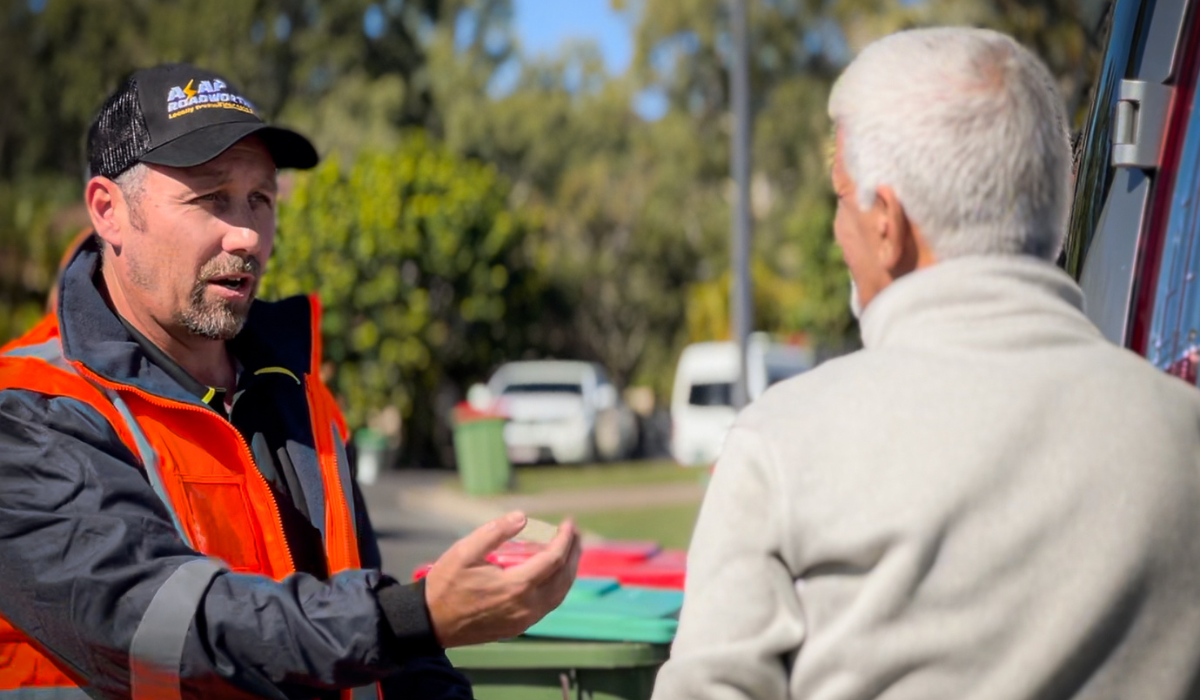
You may find someone who is very new to being an inspector, or someone that only does a handful a year for extra cash. On the other end of the spectrum you have a company like us (ASAP Roadworthys) who do hundreds a year, and have done for decades.
A new inspector, or someone that does them as a one off will not be as experienced as a company that does them everyday. This can show in the quality and depth of inspection, meaning they might miss something or misdiagnose an issue.
If this is the case, you miss the whole idea of getting roadworthy in the first place, to keep you and others on the road safe.
To avoid this it’s better to do your research and go with an experienced inspector, so that you have peace of mind your vehicle will be inspected correctly and in depth by someone who does it everyday.
Now, when you come across fully reputable companies you can actually verify whether or not they are fully qualified through the AIS listing.
For example, you can check ASAP Roadworthys (as we are fully qualified) by searching our AIS number on the government website.
Feel free to check our website out or contact us if you are interested in a Roadworthy Certificate.
Common Reasons Why People Fail A Roadworthy
1. Brakes and Brake Components
When it comes to brakes, inspectors look at how worn your brake pads and discs are. Worn pads and discs can significantly reduce your stopping power, which is dangerous and a roadworthy failure
Also, if there’s any brake fluid leaking, it can lead to brake failure. Properly functioning brakes are crucial for safety, so this is a key area during inspections.
2. Tyres and Wheels
Your tyres need tread depth of at least 1.6mm, to ensure they can grip the road, especially in wet conditions. Inspectors also look for any visible damage like cuts, cracks, or bulges, as these can lead to tyre blowouts. Proper inflation is also checked because under-inflated or over-inflated tyres can affect handling and fuel efficiency.
3. Suspension and Steering
A good suspension system keeps your ride smooth and your vehicle stable. Inspectors check for worn or damaged shocks, struts, and springs because these components affect your vehicle’s ability to handle bumps and turns. For steering, they ensure that all components are tight and responsive, which is essential for maintaining control over the vehicle.
4. Lights and Electrical Systems
All your vehicle’s lights, including headlights, brake lights, and indicators, need to work correctly. This ensures you can see at night and that other drivers can see you. Misaligned headlights can be a hazard because they might not illuminate the road properly or could blind oncoming traffic.
5. Windshield and Windows
A clear and intact windshield is essential for visibility. Inspectors look for cracks or chips that could obstruct your view or worsen over time. Functional wipers and washers are also crucial for maintaining visibility during adverse weather conditions.
6. Body and Chassis
The vehicle’s body must be free from significant rust or corrosion that could weaken its structure. Loose or damaged body panels can pose a risk if they detach while driving. Inspectors ensure that the vehicle’s chassis is structurally sound to maintain safety.
7. Exhaust and Emissions
Your car’s exhaust system needs to be leak-free to ensure that harmful gases are properly expelled and do not enter the cabin. Emissions are also tested to ensure your vehicle meets environmental standards, helping to reduce pollution.
8. Seat Belts and Safety Restraints
Seat belts are one of the most critical safety features in a vehicle. Inspectors check that all seat belts are in good condition and function correctly to ensure they will protect you in the event of an accident. This includes checking for fraying, proper retraction, and locking mechanisms.
Conclusion
Now you know what happens if you fail a roadworthy. You have the knowledge to prepare yourself and avoid failing your inspection. Really, you want to try to aim to pass it first time.
Around 80% of all road users pass their inspections for the first time so there is a very high chance you will pass. We can help you prepare well in advance for your inspection at ASAP Roadworthys. We work with the authority in charge of inspection in the whole of Queensland. Allow us to take you through the nitty-gritty so that you can avoid spending twice the fee.
If your vehicle fails a roadworthy inspection, it means it has been deemed unsafe or non-compliant with safety standards due to issues like worn brakes, insufficient tyre tread, faulty suspension, or malfunctioning lights.
To address this, you need to understand the reasons for failure and promptly schedule necessary repairs with a reputable garage, ensuring not to delay beyond the 14-day window or else you’ll have to pay for a whole new inspection
Regular maintenance can help avoid such failures, and obtaining a legitimate roadworthy certificate is crucial for ensuring vehicle safety, legality, and maintaining its resale value.